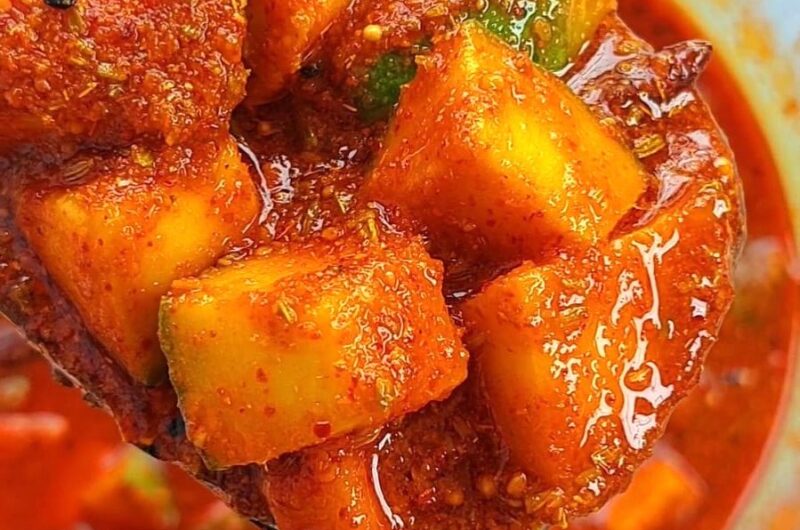
If there’s one thing that instantly reminds you of summer in India — apart from mangoes and scorching heat — it’s Aam ka Achar or KaccheAam ka Achar. The very mention of this lip-smacking, tangy, and spicy delight can make your mouth water.
Despite its simplicity, Aam ka Achar isn’t just a condiment. It’s a flavor bomb, a nostalgic memory, and a labor of love passed down through generations.
Over time, each region of India developed its own style of mango pickle. I am sharing the simplest recipe of Kairi ka Achar or Kacche Aam ka Achar.
Aam Ka Achar or Kacche Aam Ka Achar literally means Mango Pickle in Hindi. It’s a traditional Indian pickle made from raw, unripe mangoes, mixed with an assortment of spices and preserved in oil. Depending on the region, the spices and the method vary — some prefer it fiery with red chilies, others like it sour and salty, while some add a touch of sweetness to balance the heat.
Pickling is an ancient preservation method that dates back thousands of years. In India, the art of pickling is believed to be over 4,000 years old, mentioned even in Ayurvedic texts. Mangoes, being native to South Asia, naturally became one of the most pickled fruits.
Historically, Indian pickles were more than just side dishes — they were medicinal, seasonal, and spiritual. In Ayurvedic traditions, pickles were seen as appetite boosters and digestion aids. Mango, with its cooling properties, was especially favored during the hot summers.
Over time, each region of India developed its own style of mango pickle, turning it into a cultural and culinary icon.
Ingredients – Aam Ka Achar Recipe
Groundnut oil – 3 bowl
For Tempering in Oil
Clove/laung – 8 to 9
Onion seeds/Kalongi – 1 tsp
Fenugreek seeds/Methidana – 1 tsp
Fennel seeds/Saunf – 1 tsp
Dry red chillies – 2 to 3
Asafoetida/Hing – 1 tsp
Raw Mango – 1/2 kg
Spices in Achar
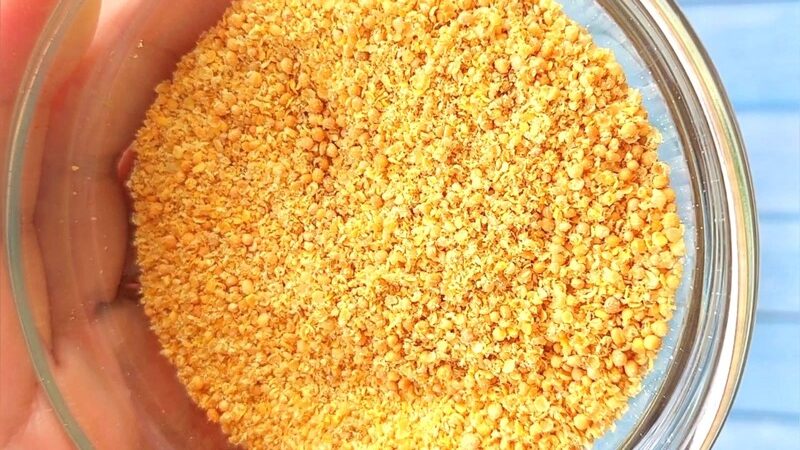
Sarso crushed – 1/2 bowl
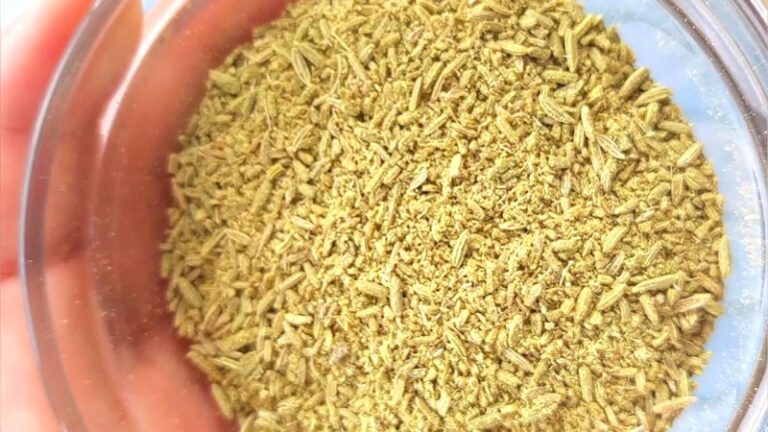
Fennel Seeds/Saunf – 1/2 bowl
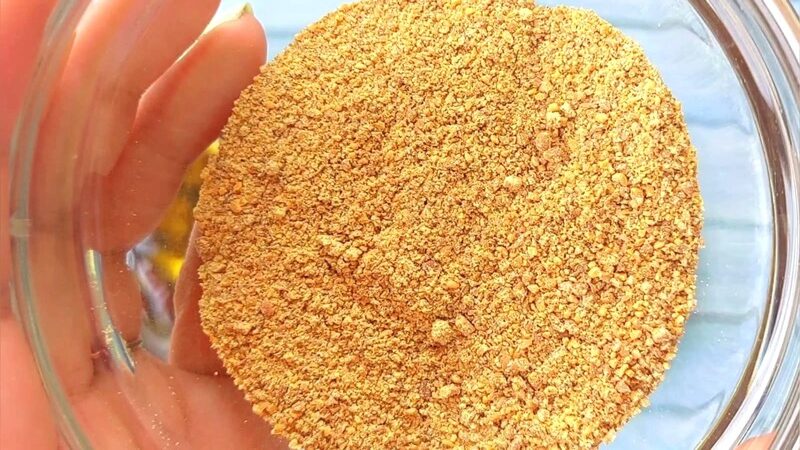
Fenugreek Seeds/Methidana – 1/2 bowl roasted n crushed
Red Chilli Powder – 3/4 bowl
Salt – 3/4 bowl
Turmeric Powder/Haldi – 1/4 bowl
How To Make Mango Pickle Step By Step
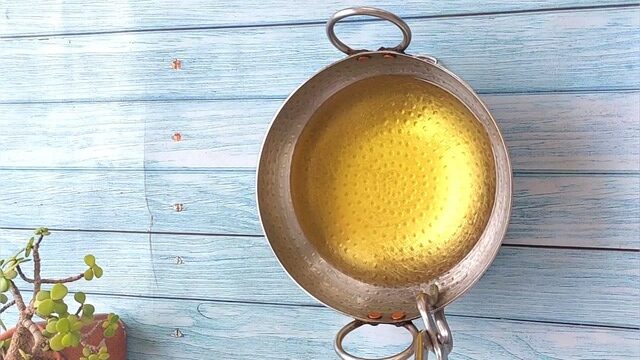
1. Heat the oil in a pan till it starts smoking lightly.
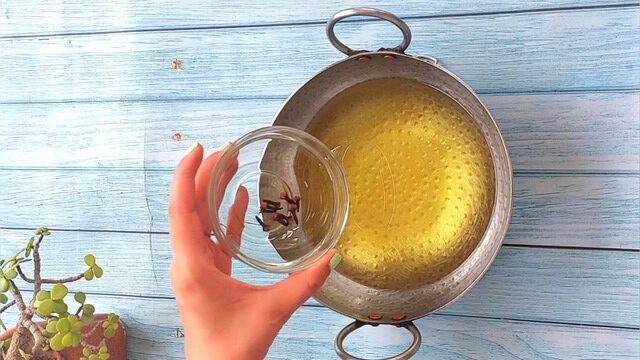
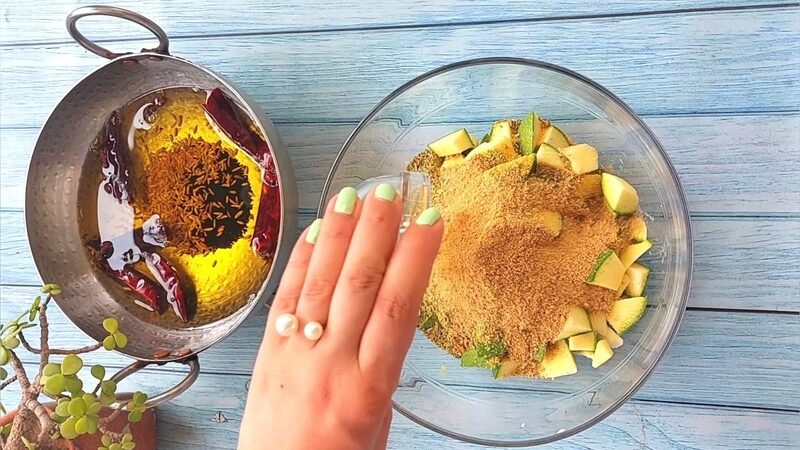
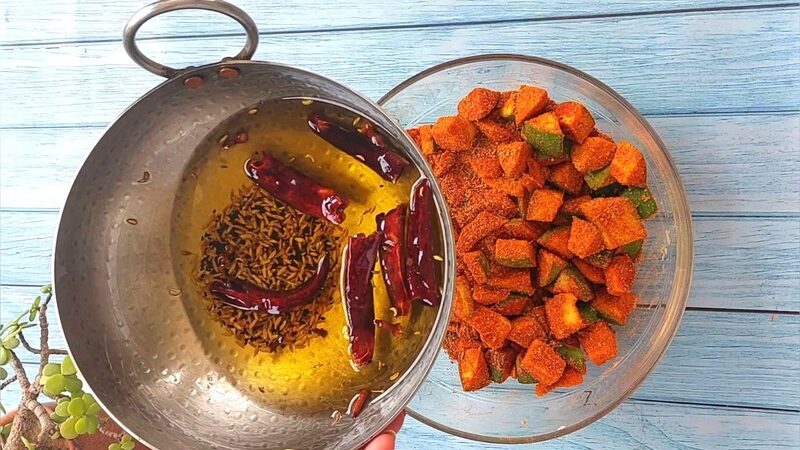
2. Remove the oil from the gas and put 8 to 9 cloves in the hot oil.
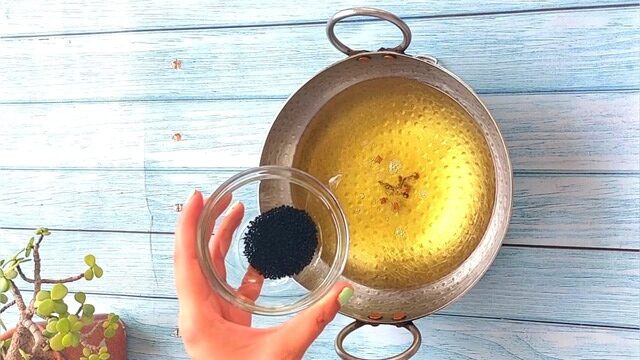
3. Now add 1 tsp onionseeds/kalongi to it.
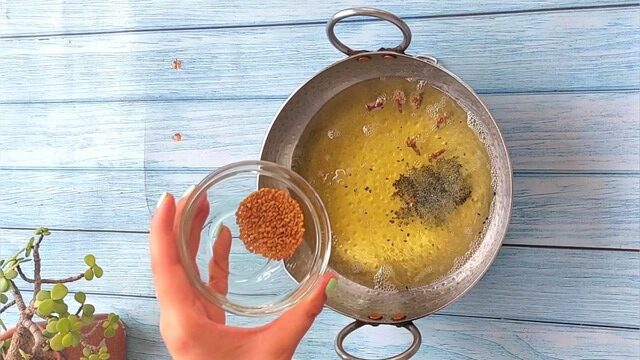
4. Add 1 tsp fenugreek seeds/methidana.
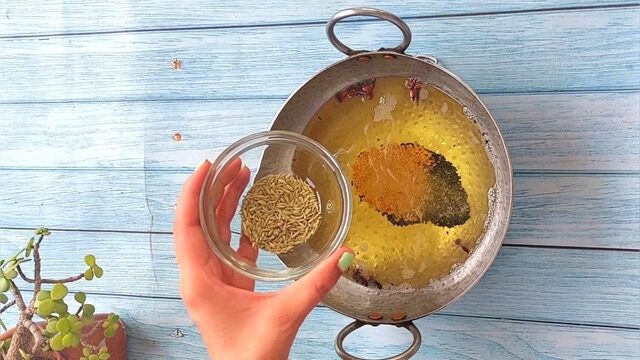
5. 1 tsp fennel seeds/saunf.
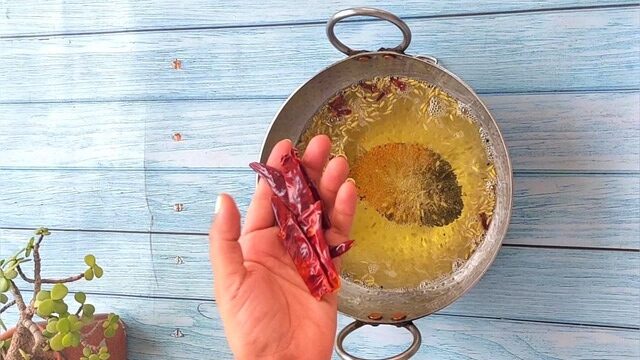
6. 2-3 dry red chillies.
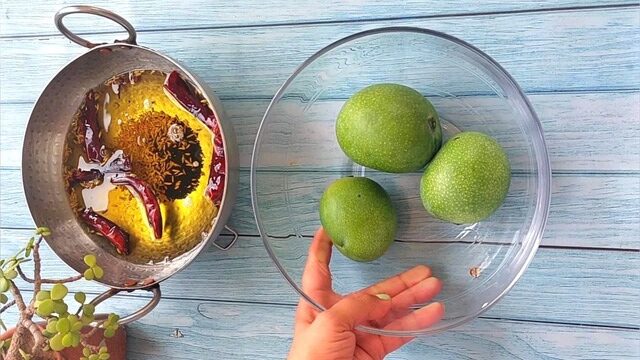
7. Take 1/2 kg raw mango and wash it well and dry it completely
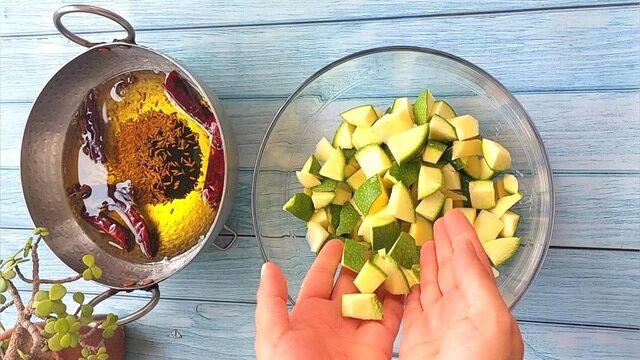
8. Now cut this raw mango into small pieces.
9. In this raw mango add 1/2 bowl crushed mustard seeds/sarso.
10. 1/2 bowl fennel seeds/saunf crushed.
11. 1/4 bowl roasted n crushed fenugreek seeds/methidana
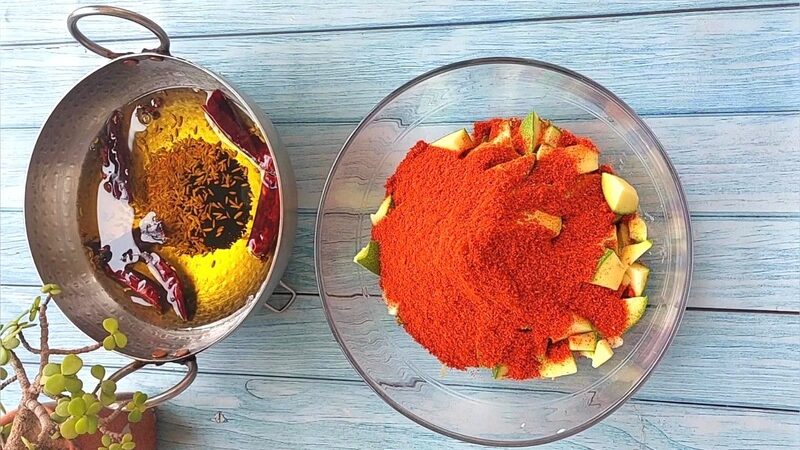
12. 3/4 bowl red chilli powder/lal mirch.
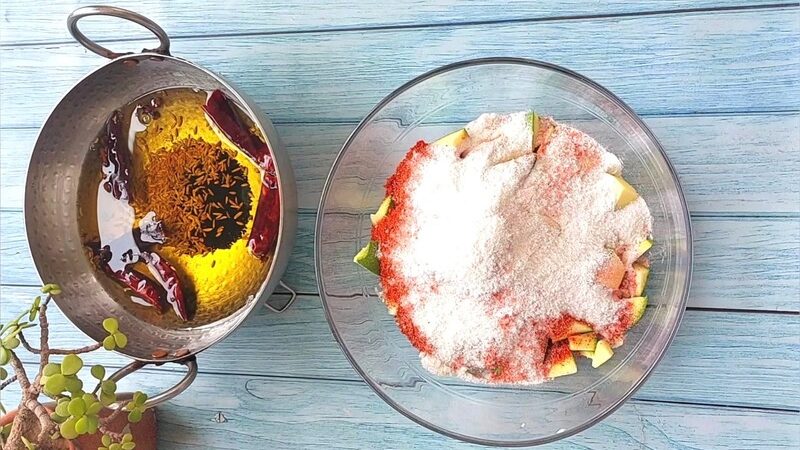
13. 3/4 bowl salt/namak.
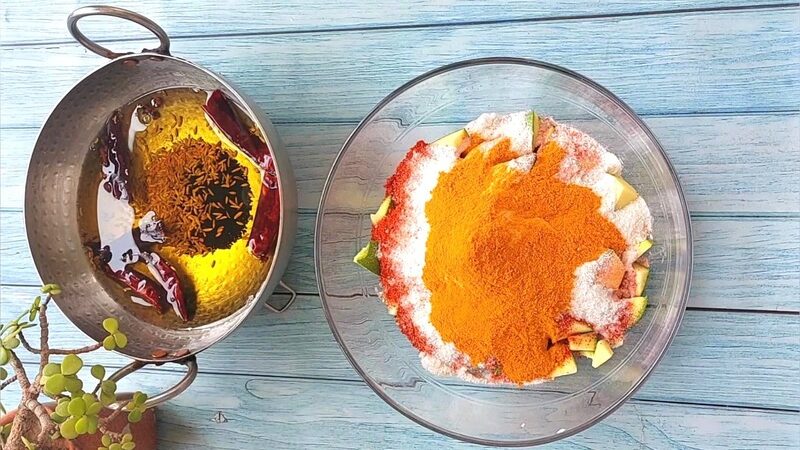
14. 1/4 bowl turmeric powder/haldi.
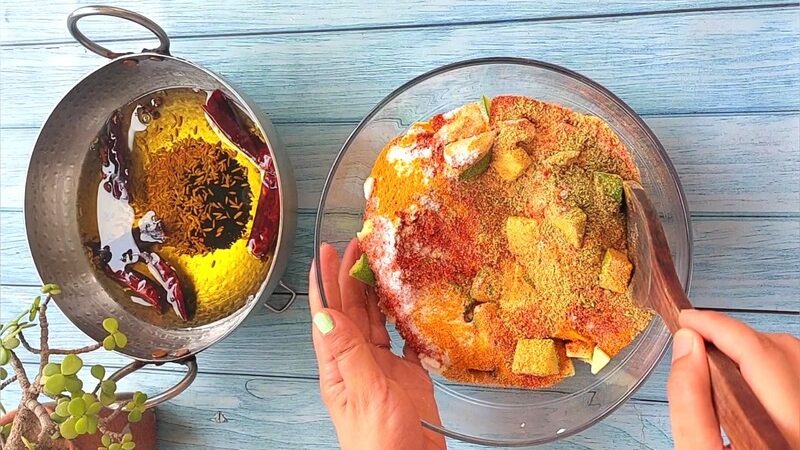
15. Mix all the spices well with raw mango.
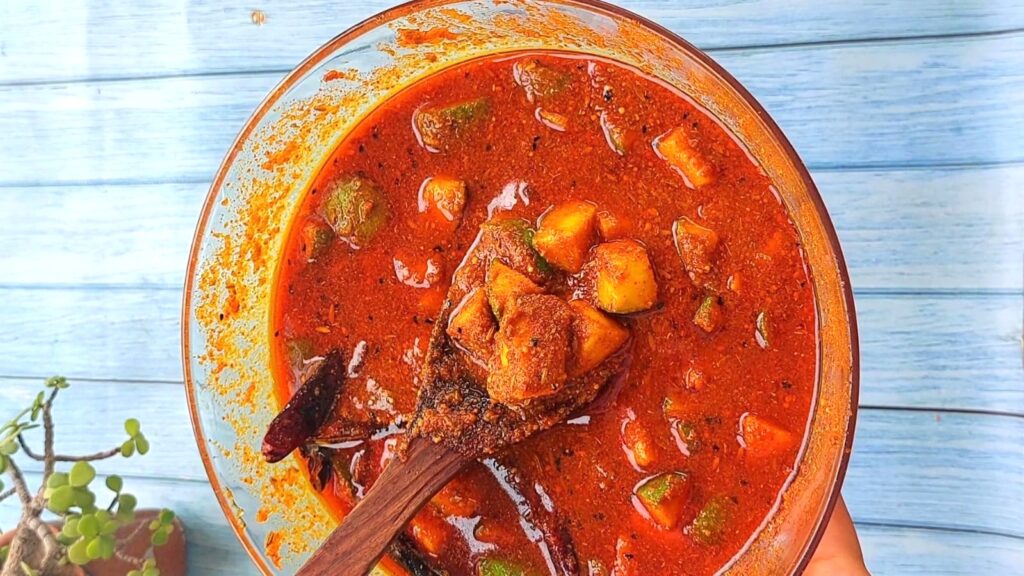
16. Now add the cooled oil to the raw mango and spice mixture.
17. Mix the oil with the spices.
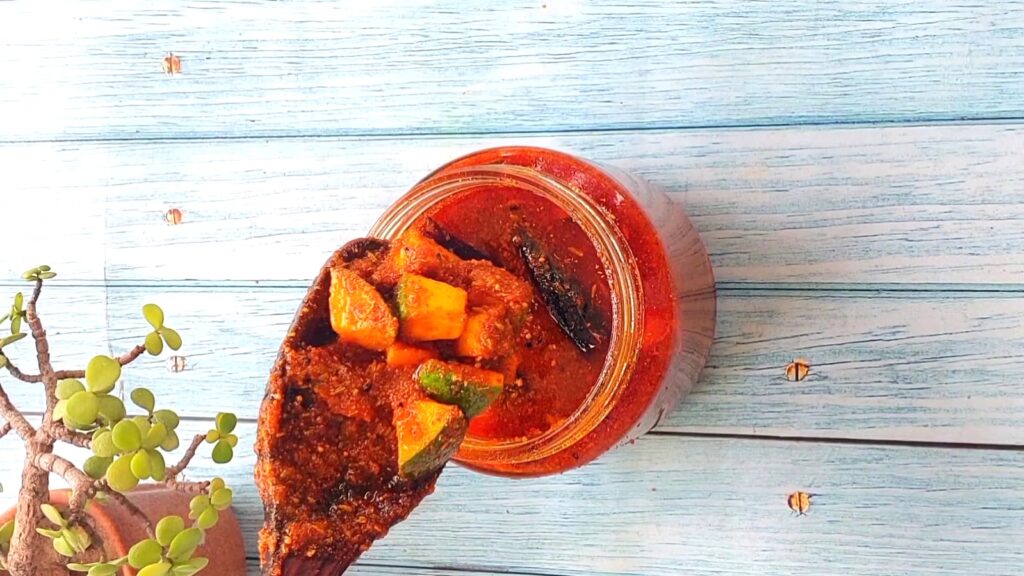
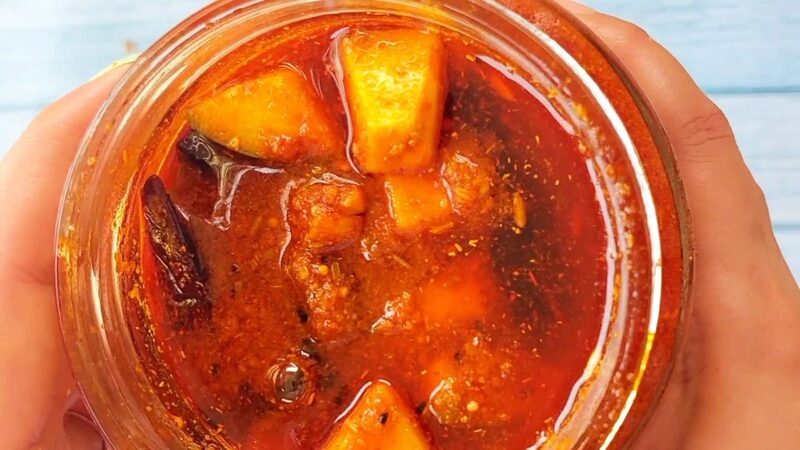
18. After mixing the oil and spices thoroughly, store it in a clean glass jar.
19. Store in a cool and dry place. This is the Traditional Indian Pickle.
Recipe by Sonali KalaCourse: AppetizersCuisine: IndianDifficulty: simple
Servings
1
kg
Prep time
15
minutes
Cooking time
15
minutes
Total time
30
minutes
Ingredients
Groundnut oil - 3 bowl
Clove/laung - 8 to 9
Onion seeds/Kalongi - 1 tsp
Fenugreek seeds/Methidana - 1 tsp
Fennel seeds/Saunf - 1 tsp
Dry red chillies - 2 to 3
Asafoetida/Hing - 1 tsp
Raw Mango - 1/2 kg
Sarso crushed - 1/2 bow
Fennel Seeds/Saunf - 1/2 bowl
Fenugreek Seeds/Methidana - 1/2 bowl roasted n crushed
Red Chilli Powder - 3/4 bowl
Salt - 3/4 bowl
Turmeric Powder/Haldi - 1/4 bowl
Directions
Prepare the Oil and Whole Spices
Heat oil in a pan until it just begins to smoke.
Once the oil starts smoking lightly, remove it from the heat and let it cool for 1–2 minutes.
Add 8–9 cloves to the hot oil. Let them sizzle slightly.
Next, add the following to the oil:
onion seeds (kalonji)
fenugreek seeds (methi dana)
fennel seeds (saunf)
2–3 whole dry red chilies
asafoetida (hing)
Stir the spices well and set the oil aside to cool completely.
Step 2: Prepare the Raw Mango
Take ½ kg of raw, firm mangoes. Wash them thoroughly under running water.
Dry the mangoes completely with a clean kitchen towel. Any moisture can spoil the pickle.
Cut the mangoes into small, bite-sized pieces. You may remove the seed or leave the seed pieces in if you prefer a traditional crunch.
Step 3: Mix the Mangoes with Ground Spices
In a large mixing bowl, combine the chopped mangoes with the following ground spices:
crushed mustard seeds
fennel seeds
roasted and crushed fenugreek seeds
red chili powder
salt
turmeric powder
Toss everything well so that each mango piece is coated evenly with the spices.
Step 4: Add the Spiced Oil
Once the oil has cooled completely, pour it over the mango and spice mixture.
Mix everything thoroughly using a clean spoon or hand (you can wear gloves).
Transfer the pickle mixture to a clean, dry glass jar with a tight lid.
Recipe Video
Notes
Always use a heavy-bottomed pan when heating oil to avoid burning the spices. Allow the oil to cool thoroughly before adding to the mango mixture—hot oil can cook the spices and affect flavor.
Use raw, firm mangoes that are unripe and tangy for the best pickle flavor. Avoid soft or overripe ones, as they may spoil quickly.
Taste a small piece before proceeding to check for salt and spice levels. You can adjust the red chili powder and salt based on your preference.
Always use a sterilized glass jar for storing pickles. Avoid plastic containers, as they can react with the spices and oil.
Frequently Asked Questions (FAQs)
Q1: Why should I wait for the oil to cool before adding it to the spices? A: Adding hot oil directly can burn the spices or change their flavor. Cooling the oil slightly preserves the aroma and taste of the spices.
Q2: Can I use any other oil like mustard oil? A: Yes, Mustard oil is traditionally used for its strong flavor and preservative qualities. else, you can use sesame oil as a substitute, though the flavor will be different.
Q3: How do I ensure my pickle doesn’t spoil? A: Ensure the mangoes and jar are completely dry. Any moisture can lead to mold. Also, make sure to use enough oil to coat the pickle and cover the top to act as a natural preservative.
Q4: Can I reduce the amount of salt or chili powder? A: Yes! Adjust the salt and chili to suit your taste, but salt also acts as a preservative—so don’t reduce it too much.
Q5: How long can this pickle last? A: If stored properly in a clean, airtight glass jar and handled with dry utensils, it can last for up to year or more.